Eco-Friendly Approaches: How E-Waste Recycling Services Are Preserving Our Planet
E-waste poses significant threats to the environment, as abandoned electronic devices commonly carry harmful materials. Such dangerous compounds can pollute soil and water supplies, causing extensive damage to surrounding ecosystems. E-waste recycling services present a viable solution. They not only recover valuable resources but also mitigate pollution. Comprehending the operation of these services and their influence on communities is of great importance. The journey towards effective e-waste management raises critical questions about individual responsibility and collective action. What actions should be considered going forward?
The Reasons E-Waste Is Damaging to the Planet
Even though technological advancements improve modern life, electronic waste presents significant environmental threats. Abandoned electronic gadgets, frequently composed of hazardous materials such as mercury, lead, and cadmium, can leach toxins into the surrounding soil and water supply, creating hazards for ecosystems and human health. The swift progression of technology results in greater consumer replacement of electronic devices, exacerbating the accumulation of electronic waste.
Landfills, already overwhelmed with refuse, find it difficult to handle the increasing amounts of discarded devices. Incineration, a common waste management technique, emits dangerous pollutants into the environment, degrading atmospheric conditions. Furthermore, inadequate recycling methods can result in the shipment of electronic waste to underdeveloped nations, where workers may break down equipment without proper protective measures, putting themselves at risk of exposure to hazardous materials. This cycle of neglect and improper handling underscores the urgent need for sustainable recycling solutions that can mitigate the adverse effects of e-waste on the planet.
What Is E-Waste and Why Is It Important?
E-waste, or electronic waste, encompasses unwanted electronic equipment including smartphones, computers, and televisions that have reached the end of their useful life. This growing category of waste is significant because of its swift buildup, fueled by innovation in technology and shifting consumer habits. As growing numbers of electronics become outdated, the toll on the environment grows more severe, with dangerous elements including lead, mercury, and cadmium threatening both ecosystems and public health.
Addressing e-waste is crucial not only for reducing these dangers but also for acknowledging the precious materials found within it. Valuable metals and rare earth materials can be extracted and repurposed, lessening the demand for mining and preserving natural resources. Through a deeper awareness of e-waste and its consequences, both individuals and organizations can make well-informed choices regarding disposal and recycling, thereby supporting a more sustainable future. Effective handling of e-waste is vital for encouraging a circular economy and advancing environmental responsibility.
How E-Waste Recycling Works
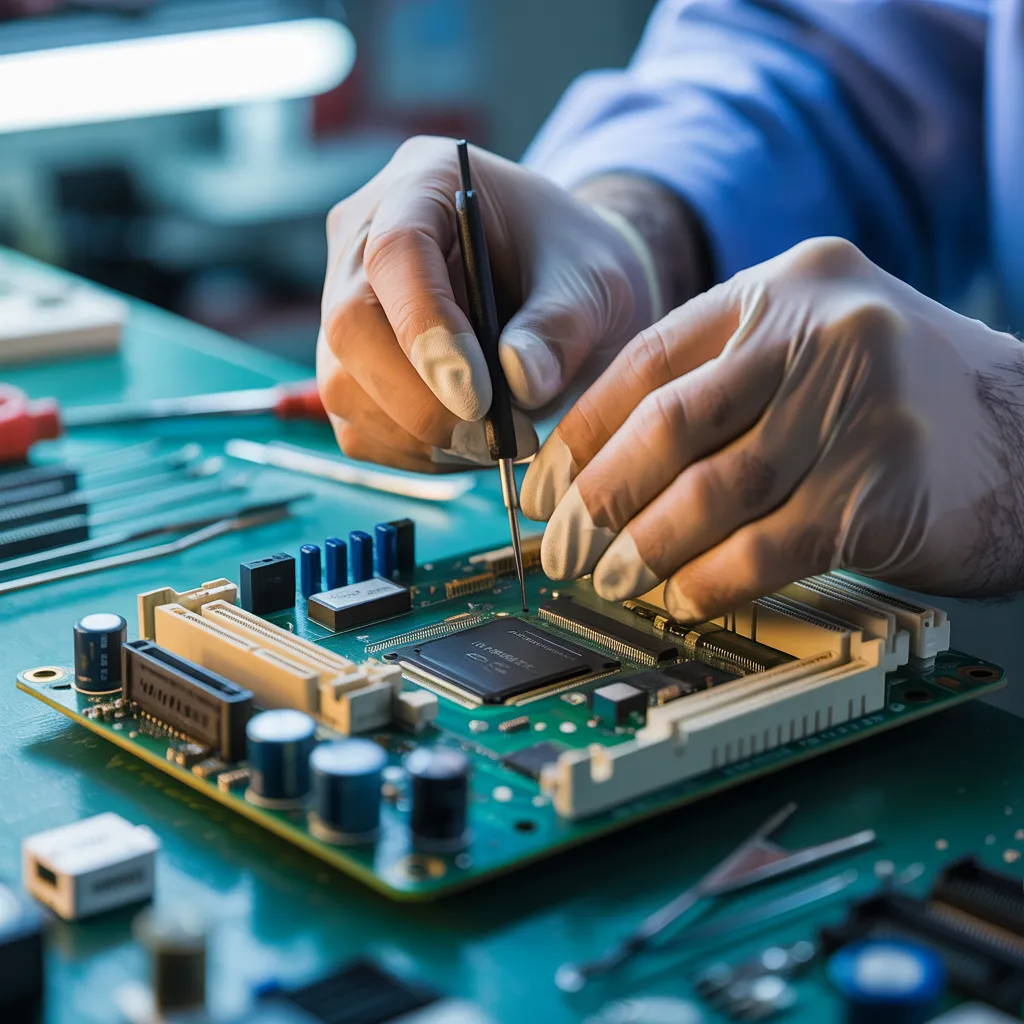
Recycling e-waste involves a systematic process designed to recover valuable materials while reducing harm to the environment. Initially, discarded electronics are retrieved and sent to dedicated processing centers. Upon arrival, the equipment is meticulously organized to separate hazardous components from recyclable materials.
After this step, workers dismantle the devices, recovering plastics, metals, and glass. This step Click here is critical, as it enables the recovery of high-value metals like gold, silver, and copper, which can be recycled in new electronics.
Following this, the isolated materials are handled with advanced techniques, such as shredding and specialized chemical treatments, to refine them for reuse.
Ultimately, the residual dangerous materials are managed properly, adhering to environmental regulations. This systematic method not only saves important resources but also mitigates the risks associated with unsafe e-waste handling, guaranteeing a greener future for the consumption of electronics.
Benefits of E-Waste Recycling for You and Your Community
While many individuals may not realize it, the advantages of e-waste recycling go far beyond individual benefit and actively shape entire communities. By responsibly disposing of electronic waste, individuals play a role in creating a cleaner environment, minimizing hazardous materials that can contaminate soil and water. This proactive approach helps preserve local ecosystems and promotes public health.
In addition, electronic waste recycling supports employment opportunities within local communities. Community recycling operations commonly require workers for various operations, from collection to processing, thus generating valuable job opportunities to area workers. This not only strengthens the regional economy but also fosters community involvement in eco-friendly practices.
In addition, awareness of e-waste recycling may result in community outreach programs, empowering residents to make environmentally conscious decisions. By participating in e-waste recycling programs, individuals nurture a culture of sustainability, prompting others to join the movement. All things considered, the collective impact of these actions can contribute to a more resilient and environmentally responsible community.
Tips for Choosing an E-Waste Recycling Service
Choosing the right electronic waste recycling provider is essential for guaranteeing that electronic waste is processed with responsibility and sustainability. First, consumers should verify the provider's credentials, such as R2 and e-Stewards certifications, which signify adherence to industry standards for safe recycling practices. It's also important to assess the organization's reputation by checking reviews and obtaining referrals from reliable sources.
Furthermore, clarity in the recycling process is essential. A dependable provider should supply straightforward details about the way e-waste is handled and what happens to the materials. Moreover, evaluating the range of services offered can be beneficial; various firms may supply retrieval services or extend benefits for recycling.
In addition, learning about local regulations regarding e-waste disposal can additionally influence the choice of disposal method. By prioritizing these factors, residents can actively participate in effective e-waste management as well as promoting green and responsible behaviors.
How You Can Take Part in E-Waste Recycling?
Participating in e-waste recycling can start at the local level, where community recycling hubs often provide essential services for safe disposal. Furthermore, participating in community awareness campaigns can enhance efforts to educate others about the importance of responsible e-waste management. Such efforts not only advance environmental sustainability but also build a collective sense of stewardship of the environment.
Area Recycling Stations
Numerous neighborhood recycling stations perform an important function in e-waste recycling, supplying communities with reliable ways to dispose of electronic waste responsibly. These hubs welcome a variety of digital devices, including old computers, smartphones, and televisions, making certain that hazardous materials are managed safely. The majority of facilities employ trained staff who can guide individuals on proper disposal methods, stressing the significance of recycling instead of landfilling. Additionally, many centers offer scheduled drop-off occasions or specific collection dates, allowing residents to take part with ease. By utilizing these local services, community members advance a circular economy, minimizing ecological impact and fostering sustainable behaviors. Connecting with these stations encourages communities to fight e-waste pollution decisively.
Community Education Campaigns
Community groups, educational institutions, and companies can partner to arrange initiatives that encourage e-waste collection drives. Volunteers can play a pivotal role in raising awareness, sharing informational resources, and connecting with local residents. By means of these joint initiatives, residents become more informed and motivated to recycle their electronic waste, thereby helping to build a greener and more sustainable tomorrow.
Common Questions and Answers
What Kinds of Electronics Can Be Recycled?
Many different electronics can be recycled, including computers, smartphones, televisions, laptops, gaming consoles, and printers. In addition, accessories such as keyboards, mice, and batteries are equally appropriate for recycling, promoting environmental conservation efforts.
Are There Fees Involved With E-Waste Recycling?
That's correct, e-waste recycling may involve costs, based on the service provider. Some service centers impose charges for collection or processing, while other facilities offer free services, typically funded by the resale of recovered materials.
What Are the Benefits of E-Waste Recycling for Businesses?
Businesses can benefit from e-waste recycling by reducing disposal costs, improving their green reputation, meeting compliance standards, extracting valuable resources, and creating potential earnings via resale, thus supporting a greener and more sustainable operational framework.
What Becomes of Data on Recycled Devices?
Information regarding refurbished electronics is often permanently erased or obliterated during processing. This confirms private details stays protected, blocking unwanted intrusion while enabling resources to be repurposed securely and sustainably across new manufacturing processes.
Is It Possible to Recycle Damaged Electronics?
Indeed, defective electronics are able to be recycled. Several recycling centers accept damaged devices, providing proper disposal and extraction of precious materials. It helps decrease harm to the environment while promoting responsible recycling practices to address e-waste efficiently.